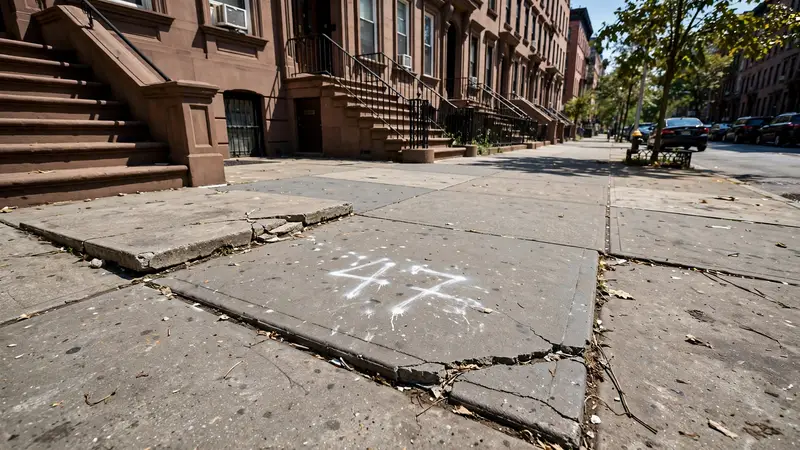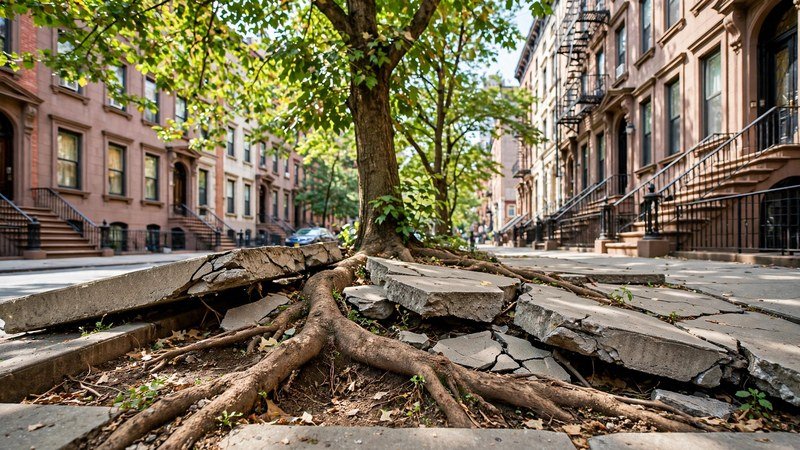
You paid to fix a sidewalk that a city tree destroyed. Can you get the money back from the City? Possibly, yes. Owners who qualify can file a claim with the New York City Comptroller to reimburse the cost of repairing sidewalk damage caused by a city tree or its roots, but the claim must be filed within 90 days after the work is finished. Incomplete paperwork is the most common reason these claims fail, so the permits and photos matter as much as the repair itself.
Who Can File a Reimbursement Claim?
Not every property owner qualifies. The reimbursement route exists alongside an official program: NYC does not charge owners of one, two or three family properties for the repair of a sidewalk damaged by a city tree or tree roots, according to the DOT's sidewalk repair page. The City also no longer issues sidewalk violations for 1-3 family properties where damage was caused solely by city trees.
That means your path depends on your property type:
- Owners of 1-3 family properties generally should not have to pay at all, because the Trees and Sidewalks program covers qualifying repairs without charging them. If you repaired the damage yourself anyway, a Comptroller claim is your route to getting the money back.
- Owners of larger or commercial properties are responsible for their sidewalks regardless of what caused the damage. If a city tree caused it, a Comptroller claim is the only way to recover the cost.
If you are unsure whether the damage on your sidewalk is really the city's responsibility, our guide on how much sidewalk damage NYC is responsible for walks through how responsibility is determined.
The 90-Day Filing Window
Timing is the single most important part of this process. You must file your claim with the City Comptroller within 90 days after the repair work is finished. Miss that window and your claim will almost certainly be denied, no matter how strong your case is.
This is a filing deadline, not a review timeline. Mark it on your calendar the day the contractor packs up. If you are dealing with a sidewalk issue on a tight schedule, you may also want to understand what happens when you miss the 75-day NYC sidewalk deadline, which is a separate deadline tied to violation repair orders.
Paperwork That Makes or Breaks Your Claim
The most common reason these claims fail is incomplete paperwork, so gather your documents before the work starts rather than after. You will need the following in hand:
Before-and-after photos
Photograph the damaged sidewalk before any work begins, and photograph it again after the repair is complete. These photos prove the damage existed, show its severity, and confirm the repair was actually done. Date-stamped photos are best.
The Tree Work Permit from NYC Parks
If your repair work happens within 50 feet of a city-owned tree, you need a Tree Work Permit from NYC Parks. This permit is free, but it takes up to 45 days to be issued and is valid for only 90 days once granted. Apply early. Starting work without this permit can sink your reimbursement claim.
The DOT Sidewalk Construction Permit
You also need a sidewalk construction permit from the Department of Transportation before any work on the sidewalk begins. Contractors doing legal sidewalk work in NYC pull this permit routinely, but if you are managing the job yourself, make sure it is in hand before work starts.
The repair design recommended by Parks
NYC Parks reviews the damage and recommends a repair design, which may include root pruning or a sidewalk design that accommodates the tree. Follow the recommended design. If the claim reviewer sees you used a different approach than what Parks specified, your claim gets harder to defend.
The practical takeaway: incomplete paperwork is the most common reason these claims fail, so collect the permits before the work starts rather than after.
What Happens After You File
Once your claim is filed with the Comptroller's office, it gets reviewed for completeness and validity. This is where you need to be honest with yourself about the odds.
Reimbursement is not guaranteed
At a 2024 City Council hearing, members noted that the Comptroller's office denies some sidewalk reimbursement claims. The hearing also brought out that the Trees and Sidewalks program admits properties only above a damage-severity threshold, because program resources are limited.
That means two things for you:
- Severity matters. Minor cracks may not meet the bar for program admission or a successful claim. Document how bad the damage actually was with your before photos.
- A filed claim is not a paid claim. Filing correctly and on time gives you the best shot, but denials happen. Do not count on the money until the claim is approved.
If your claim is denied
A denied claim is not always the end of the road. Depending on the reason for the denial, you may be able to supply missing documentation or clarify the damage. For owners juggling violation orders alongside tree damage, our DOT sidewalk violations pillar guide explains how violations interact with repair responsibility.
How Reimbursement Differs From the Trees and Sidewalks Program
These are two different things, and mixing them up causes confusion:
- The Trees and Sidewalks program is the City's own program to repair sidewalks damaged by city trees. NYC Parks inspects the damage, and if the property qualifies, the City handles the repair. For 1-3 family properties, the City does this without charging the owner. But the program admits properties only above a severity threshold, so not every case gets in.
- The Comptroller reimbursement claim is for owners who did the repair themselves and now want their money back. This is the route you take after the work is finished, and it has its own 90-day filing window and paperwork requirements.
If the City already repaired your sidewalk through the program, there is nothing to reimburse. The claim route is for people who paid out of pocket.
Steps to Maximize Your Chances
- Confirm the damage is from a city tree. Parks can confirm ownership of the tree.
- Apply for the Tree Work Permit early. It is free but takes up to 45 days to issue and is valid 90 days.
- Get the DOT Sidewalk Construction Permit before work starts.
- Follow the repair design Parks recommends. Do not substitute your own plan.
- Take date-stamped before-and-after photos.
- Keep every receipt, contract, and permit. Incomplete paperwork kills claims.
- File with the Comptroller within 90 days of the finished work.
If you are also tracking a violation status on the property, the violation lookup tool is an independent tool that reads public city data (it is not affiliated with NYC DOT) and can help you check what is on record.
What About Liens and Unpaid Violations?
A reimbursement claim is about repair costs, not about liens. If a lien was already placed against your property because of an unpaid sidewalk matter, that follows a separate process. Our guide on how long it takes to remove an NYC sidewalk lien explains what to expect there. A successful reimbursement does not automatically clear a lien, and clearing a lien does not file your claim for you.
FAQ
Can I get reimbursed for tree-root sidewalk repair in NYC?
Possibly. Owners who qualify can file a claim with the City Comptroller to reimburse the cost of repairing sidewalk damage caused by a city tree or tree roots. The claim must be filed within 90 days after the work is finished, and you will need before-and-after photos, a Tree Work Permit from NYC Parks, a DOT Sidewalk Construction Permit, and the repair design Parks recommended.
How long do I have to file the claim?
90 days from the day the repair work is finished. This deadline is strict, so mark it on your calendar immediately.
What documents do I need for a Comptroller sidewalk claim?
Before-and-after photos of the damage and repair, the Tree Work Permit from NYC Parks, the DOT Sidewalk Construction Permit, and the repair design recommended by Parks. Incomplete paperwork is the most common reason claims fail, so collect the permits before the work starts, not after.
Is the Tree Work Permit really free?
Yes. It is free, but it takes up to 45 days to be issued and is valid for only 90 days. You need it when work happens within 50 feet of a city-owned tree.
Does the City charge owners for tree-damage repairs?
No, not for 1-3 family properties. NYC does not charge owners of one, two or three family properties for repairing a sidewalk damaged by a city tree or tree roots, and the City no longer issues sidewalk violations for those properties when the damage was caused solely by city trees. The Comptroller claim route is for owners who repaired the damage themselves and want reimbursement.
Are all reimbursement claims approved?
No. At a 2024 City Council hearing, members noted that the Comptroller's office denies some sidewalk reimbursement claims. The Trees and Sidewalks program also admits properties only above a damage-severity threshold because resources are limited. Filing on time with complete paperwork gives you the best chance, but approval is not guaranteed.
What if the City repaired my sidewalk through the Trees and Sidewalks program?
Then there is nothing to reimburse. The program covers qualifying repairs for eligible properties at no charge to 1-3 family owners. The Comptroller claim route is only for people who paid for the repair themselves.
Can I file a claim if I used my own repair plan instead of Parks' recommendation?
You can file, but your odds are worse. The repair design recommended by Parks is one of the expected documents, and deviating from it makes the claim harder to defend. Always follow the recommended design.