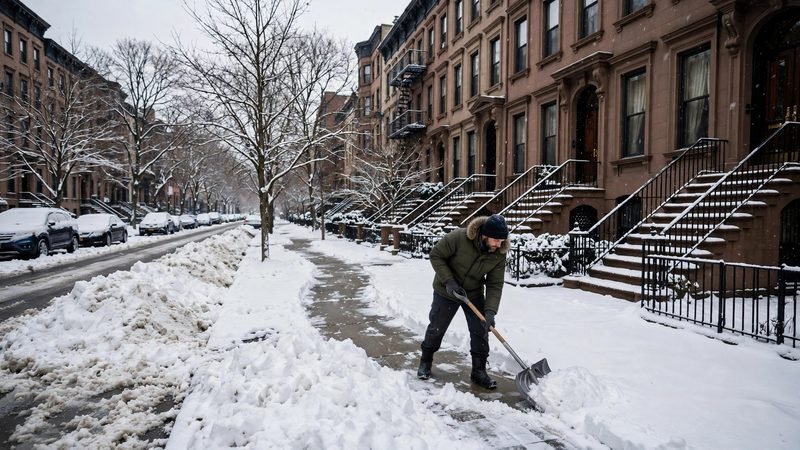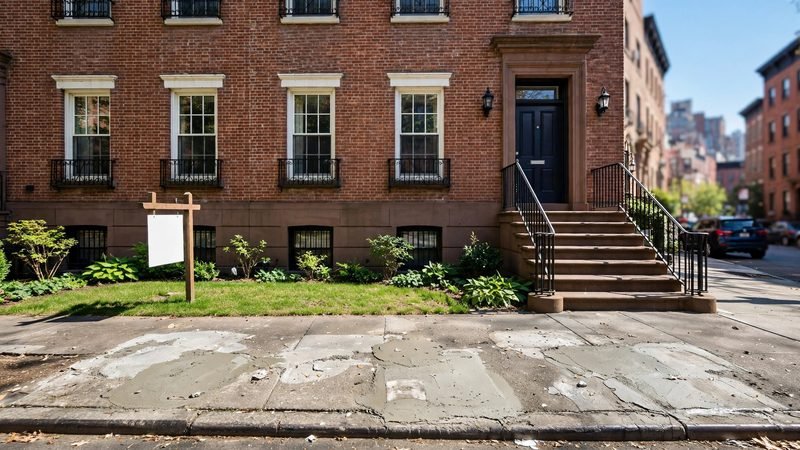
New York City has a way of making responsibility unclear, especially for something as basic as the sidewalk outside your home. It's easy to think that since it's part of the public space, the city would take care of it. But in most cases, sidewalk upkeep falls on the property owner, under Section 19-152 of the NYC Administrative Code.
There is one big exception, though.
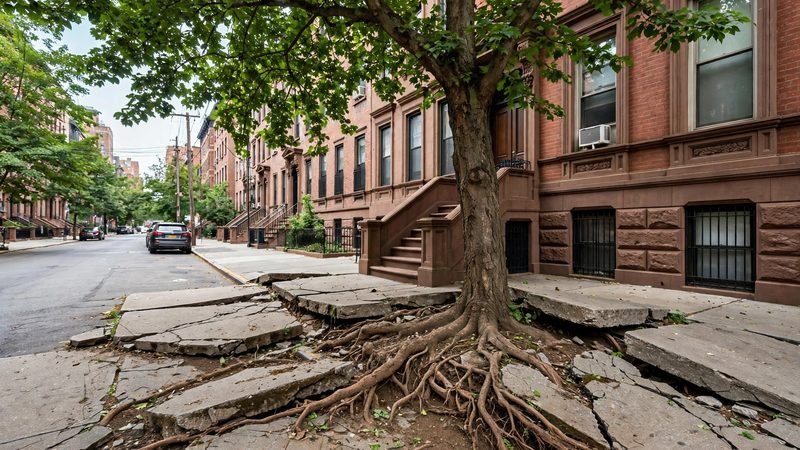
If the damage was caused by the roots of a city-owned tree, the City might pay for the repair, but only under very specific conditions. A lot of homeowners don't know about this, and that's no surprise. On the surface it sounds simple: the city's tree caused the problem, so the city fixes it. In reality, it's a lot more complicated.
Yes, the repair might be covered, but only if your property checks every box.
You only qualify for free repairs if your property is:
- A 1-family, 2-family, or 3-family home
- Owner-occupied
- Damaged directly by a city-owned tree
If your property doesn't fit that description, like a condo, co-op, commercial building, or a multi-unit rental, the repair is still on you.
And even if you do qualify, one more detail often changes the whole decision.
Why Tree-Root Repairs Take So Long in NYC
Tree-root sidewalk damage doesn't get fixed right away by the Department of Transportation. Instead, it goes through the NYC Trees and Sidewalks Repair Program, run by NYC Parks.
On paper, it sounds like a solid, organized process. In real life, it moves at a pace that doesn't match how urgent the problem feels.
Every year, the City gets more than 9,000 requests for tree-root sidewalk repairs. With that many cases, they handle the worst ones first instead of going in the order the requests came in.
That means even damage that feels urgent can take years to get fixed. Three years in some cases, sometimes even longer.
For most homeowners, that timeline just doesn't work with real life. A cracked or uneven sidewalk isn't something you can ignore. It's right outside your door, and you and everyone else walk on it every day.
And it's about more than just being annoying.
Someone could trip and get hurt. You might be trying to sell your home. Buyers and mortgage lenders have their own expectations. And there's the worry about being held liable.
These are the real-life reasons many property owners decide to just handle it themselves, hiring licensed and insured contractors who can get the job done quickly and clearly, even when the City is technically supposed to pay.
Why You Might Still Have to Handle Repairs Yourself
A lot of people think that if the City never issued a violation, especially for tree-root damage at a smaller home, the responsibility somehow goes away.
Legally, that's not how it works.
Even if a city-owned tree caused the damage, you can still be held responsible if someone gets hurt on the sidewalk in front of your property.
Under Administrative Code Section 7-210, liability doesn't go away just because something else caused the problem. If someone trips and gets injured, the financial and legal hit can fall on you, often starting around $30,000 even for fairly minor injuries. For the steps to take once a violation is actually on record, see what to do after receiving an NYC sidewalk violation.
That one detail changes how you see the whole thing.
Waiting years for a repair that may never come starts to feel less like being patient and more like taking a risk.
What Should You Do if a City Tree Damaged Your Sidewalk?
If your sidewalk is lifting, cracking, or shifting in a way that looks like tree roots are behind it, the first thing to do is get some clarity.
Contact NYC Parks and ask for an inspection.
They'll look at more than just the visible damage. They'll check how the sidewalk and the nearby tree relate to each other. During the visit, they will:
- Come out to your property
- Look over the sidewalk
- Check the tree and its roots
- Decide whether the tree directly caused the damage
If they confirm the link, they may put it in writing or work with the Department of Transportation on next steps. To understand the inspection process in general, see our guide on how NYC sidewalk inspections work.
This step matters more than it seems. It creates a record, which becomes really important if you later go after reimbursement.
Should You Wait for the City or Fix It Yourself?
This is where being practical takes over.
Waiting is an option, but a two- or three-year wait doesn't fit with daily life. Sidewalks aren't some abstract thing. You, your family, your neighbors, and everyone passing by use them all the time.
For a lot of homeowners, it stops being about whether they qualify and starts being about how fast they need it fixed.
Fixing it yourself through a licensed contractor nearby puts you back in control. The problem gets solved, the sidewalk is safe again, and you're not stuck wondering.
But there's a way to get the best of both.
If you pay for the repair yourself, you might be able to get the money back through the NYC Comptroller's Office.
But the timing is critical.
You have to file your claim within 90 days of finishing the repair. It's a short window, and if you miss it, you lose the chance completely.
What You Need to Submit for Reimbursement
Reimbursement doesn't happen on its own. It comes down to good paperwork and showing you did everything the right way.
To give your claim the best shot, keep everything organized from day one:
- Before and after photos of the sidewalk
- The NYC Parks tree-work permit
- The DOT sidewalk construction permit
- Any design recommendations NYC Parks gave you
- Invoices and proof of payment from your contractor
Each of these helps tell the full story: a city-owned tree caused the damage, you followed every required step, and the work was done safely and professionally. Note that DOT's own violations process works differently from the Parks tree-root program, as explained in our guide to NYC DOT sidewalk violations.
When it all adds up, your chances of getting approved are much stronger.
Conclusion
Who's responsible for the sidewalk in New York City is rarely as simple as it first seems. The City may cover repairs caused by tree roots, but only for a very specific group of properties, mostly small, owner-occupied homes. For everyone else, it's the property owner's job.
And even if you qualify, time is the real issue. Repairs can take years, while the risks of a damaged sidewalk are right now.
That's why so many homeowners take matters into their own hands, fixing the problem themselves to stay safe, stay compliant, and protect their property. If reimbursement works out, it's a nice bonus, not something to count on.
Because at the end of the day, a sidewalk is more than just concrete. It's part of how your home feels, every time you come and go, every person who walks past. Keeping it safe and in good shape isn't just about following the rules. It's about having a space that feels secure and well kept. Acting sooner rather than later can make all the difference, not just in avoiding problems, but in bringing some peace back to the path right outside your door.