- What does "the city owns the sidewalk" actually mean?
- If the city owns it, why is fixing it my job?
- What is a "public right-of-way," in practical terms?
- Does the city ever fix a sidewalk itself?
- What happens if I refuse to fix it because "the city owns it"?
- Who is responsible for what, exactly?
- What should I do if my sidewalk is damaged right now?
- Frequently asked questions
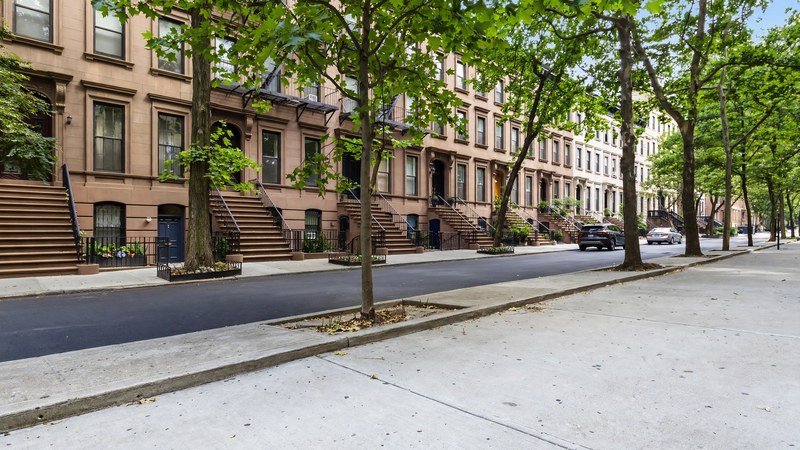
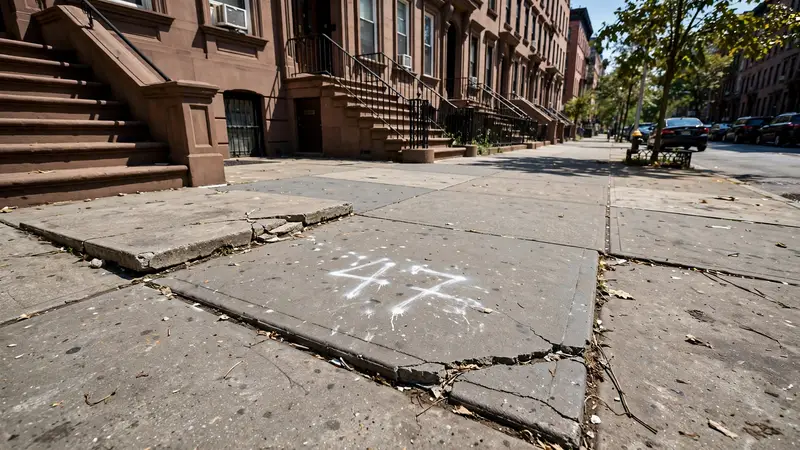
The City of New York owns the sidewalk in front of your property. The sidewalk sits on public right-of-way, so the land belongs to the city. But keeping it safe is your job: under NYC Administrative Code 19-152, the abutting owner must repair broken sidewalk flags at the owner's own expense. Ownership is not duty.
That answer surprises most property owners. When a concrete flag cracks outside your building, your first instinct is reasonable: the city owns this land, so the city should fix it. That logic drives countless online arguments, viral social media claims, and heated building-committee debates. The claim that sidewalk maintenance is "the city's duty" sounds right because the ownership half is right. The city does own the sidewalk. It is the duty half that is wrong, and the difference has real consequences for your wallet.
This article explains exactly what "right-of-way" means for you as a property owner, why the city will not fix your sidewalk, and what to do when damage appears before a violation lands on your property.
What does "the city owns the sidewalk" actually mean?
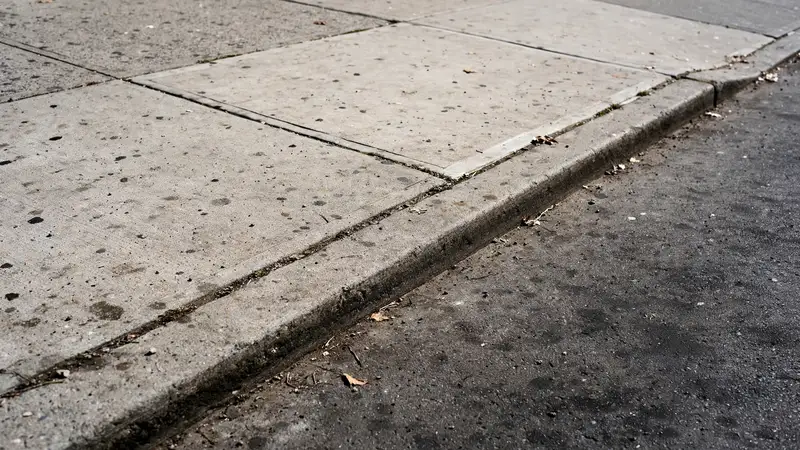
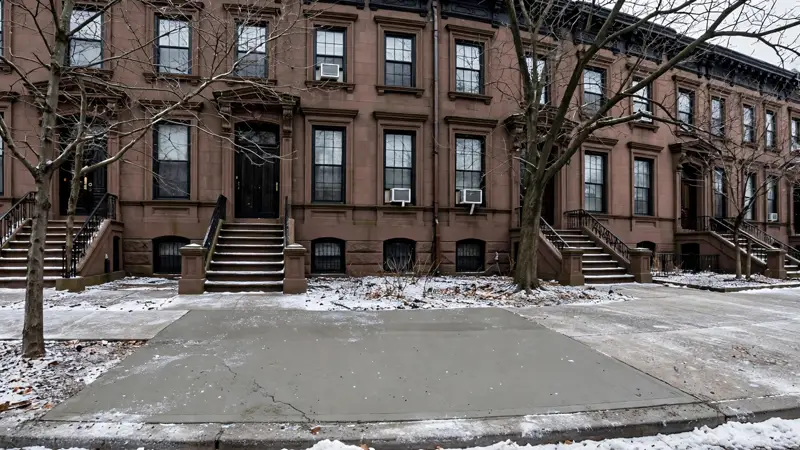
When sources say the city owns the sidewalk, they are describing a legal reality about the land. The sidewalks, curbs, and roadways in New York City are owned by the City of New York and sit within the public right-of-way. That right-of-way is the strip of land reserved for public passage, and it includes the sidewalk in front of your building. You bought your property, but the sidewalk flag at your curb line was never part of what you purchased. It belongs to the city and always has.
This is why the city, not you, controls what happens on that land. You cannot remove a flag to create a patio, extend your stoop across it, or build a permanent structure on it without city permission, because the sidewalk exists to serve the public, not the building it abuts.
But here is where the confusion starts. Ownership of the land does not come with a promise that the owner maintains it. In New York City, the law deliberately separates the two. The city keeps title to the land. You carry the maintenance duty. Understanding that separation is the key to everything that follows.
If the city owns it, why is fixing it my job?
Because the law says so, plainly. NYC Administrative Code 19-152 places the duty to maintain the sidewalk on the abutting property owner. The law requires the owner to install, repair, repave, or replace broken sidewalk flags in front of the property, and to do it at the owner's own expense. The statute does not care that the city holds title to the land. It assigns the duty by adjacency: if the sidewalk sits in front of your property, you are the one who must keep it in good repair.
This is where the viral "city's duty" claim falls apart. People see city ownership and assume city responsibility, but New York City does not work that way for sidewalks. The city's ownership is about controlling the public passage. Your duty is about keeping that passage safe.
Think of it as a bargain you inherit when you buy property in the city. You get a building on land you own, fronted by public sidewalk you do not own but must maintain. Every deed in the five boroughs carries this arrangement, whether the buyer understands it or not. It is one of the least understood obligations of New York property ownership, and it is also one of the most expensive to discover the hard way.
What is a "public right-of-way," in practical terms?
A public right-of-way is land reserved for public travel. Your sidewalk, the curb, and the roadway are all part of it. In practical terms, the right-of-way means three things for you as the abutting owner.
First, the public has a permanent right to walk there. You cannot block it, narrow it, or treat it as your private front yard. Fencing off the sidewalk or parking equipment across it is an obstruction of public passage, and the city can order it removed.
Second, the city can access and alter it. If the Department of Transportation needs to rebuild the curb, or a utility needs to open the sidewalk to reach a line below, they work on city-owned land. You do not get to approve or block the work, though the city typically restores what it opens.
Third, and most importantly for your budget, the duty to maintain the surface rests on you. The city dictates how the sidewalk must be built and maintained, down to the specifications for concrete flags, while leaving the labor and the cost to you. That is the arrangement, fully codified in the Administrative Code.
For a fuller picture of how this duty connects to the violations the city issues when sidewalks fall into disrepair, the site's guide to what an NYC sidewalk violation is walks through the enforcement side of the same law.
Does the city ever fix a sidewalk itself?
There are narrow situations where city agencies touch sidewalk work, but they are exceptions that prove the rule, not a service you can call on. When the city opens a sidewalk for its own infrastructure work, it restores what it disturbed. Some city programs have, at various times, offered cost-shared or contractor-managed repair options for property owners, but these are opt-in programs with owner-paid costs, not the city fixing sidewalks as a public service.
The Department of Transportation's role is enforcement and standards, not repair crews for sidewalk flags. When your sidewalk is damaged, the DOT's involvement comes as an inspection and, if the damage meets the threshold, a violation notice ordering you to fix it. The DOT sidewalk violations pillar explains how that enforcement process works and what your options are once a notice arrives.
So the practical answer stands: do not wait for the city. No crew is coming. If the flag in front of your building is cracked, raised, or missing, it is your repair to make and your bill to pay.
What happens if I refuse to fix it because "the city owns it"?
Refusing to repair on ownership grounds is the costliest version of the confusion. The violation does not care about your theory of ownership. Once the DOT issues a violation against your property, the clock starts, and ignoring it does not make it go away. An unresolved violation clouds your title, complicates sales and refinancing, and can grow more expensive the longer it sits.
The ownership argument has no standing against the statute. Administrative Code 19-152 does not ask who owns the land. It asks whose property the sidewalk abuts. If the answer is yours, the duty is yours, and the violation attaches to your property regardless of how strongly you feel the city should pay. Judges, title companies, and buyers all read the law the same way.
If you want to understand where the money actually goes when a repair is required, the breakdown of who pays for NYC sidewalk repairs covers the cost side in detail, including how the expense falls across different property types.
Who is responsible for what, exactly?
It helps to lay the split out plainly, because the two roles get tangled in every online argument.
The city owns the land, sets the construction and repair standards, inspects sidewalks, and issues violations when sidewalks fail to meet those standards. The city's ownership interest is what gives it the authority to order you to fix the sidewalk and to penalize you if you do not.
You, the abutting property owner, must keep the sidewalk in front of your property in good repair at your own expense. That means hiring a contractor, getting the work done to DOT specifications, and paying the full cost. If someone is injured because your sidewalk was defective, the liability exposure generally follows the duty, which means it follows you.
The related question of who is responsible for NYC sidewalk repairs digs deeper into the legal-duty angle, including how responsibility is assigned and what the duty covers in practice.
This split is unusual, but it is not ambiguous. The city owns; you maintain. Every argument that starts from "the city owns the sidewalk, so the city should fix it" is arguing with the statute, not with a gray area.
What should I do if my sidewalk is damaged right now?
Start with the facts, not the theory. Walk out and look at the sidewalk in front of your property. Note every flag that is cracked, raised, sunken, or missing, and photograph each one. If you want to check whether the city has already flagged the damage, you can run your address through the violation lookup tool, which reads public city data and shows whether a violation is on record for your property. It is an independent tool and is not affiliated with NYC DOT, but it draws on the same public records.
If a violation is already on file, you are on a timeline, and the enforcement article linked above explains your next steps. If no violation is on file yet, you still have the duty to repair, and fixing the damage now is almost always cheaper than fixing it under a violation deadline. Get quotes from contractors who do DOT-compliant sidewalk work, confirm the work meets the city's specifications, and keep your receipts and photos. Documentation matters if the work is ever questioned.
Do not spend that time arguing about ownership online. The law has already settled the argument, and the sidewalk will not repair itself while the debate continues.
Frequently asked questions
Does the City of New York own the sidewalk in front of my building?
Yes. The sidewalks, curbs, and roadways are owned by the City of New York as public right-of-way. The land was never part of your property purchase, even though it sits directly in front of it.
If the city owns the sidewalk, why do I have to pay for repairs?
Because ownership and duty are separate under NYC law. Administrative Code 19-152 requires the abutting property owner to install, repair, repave, or replace broken sidewalk flags at the owner's own expense. The city owns the land; you carry the maintenance duty.
Can I refuse to fix my sidewalk since I do not own it?
No. The violation attaches to your property based on adjacency, not ownership. Refusing to repair leaves the violation open, which clouds your title and can complicate a sale or refinancing. The ownership argument has no standing against the statute.
Does the city ever repair sidewalks itself?
Only in narrow exceptions, such as restoring sidewalk the city opened for its own infrastructure work. The DOT does not run a general sidewalk repair service for property owners. Its role is setting standards, inspecting, and issuing violations.
What is a public right-of-way?
It is land reserved for public travel, including sidewalks, curbs, and roadways. For you as the abutting owner, it means the public can walk there, the city controls what happens on it, and you are legally required to maintain the sidewalk surface at your own expense.
Who is liable if someone trips on my broken sidewalk?
Liability generally follows the maintenance duty, which the law assigns to the abutting property owner. That is one more reason to repair damage promptly rather than debating who owns the underlying land.
How do I check whether my property has a sidewalk violation?
Run your address through a lookup of the city's public records. The site's violation lookup tool is an independent tool that reads public city data and is not affiliated with NYC DOT.
By NYC Sidewalk Violation Lookup