- Why the owner is still on the hook even when someone else broke the sidewalk
- What the law says about the contractor's side of it
- Scenario 1: your own contractor broke it
- Scenario 2: a utility company or its contractor caused the damage
- Scenario 3: a city contractor caused the damage
- Scenario 4: a neighbor's construction project damaged your sidewalk
- The documentation checklist that wins claims
- The one mistake that costs owners the most
- FAQ
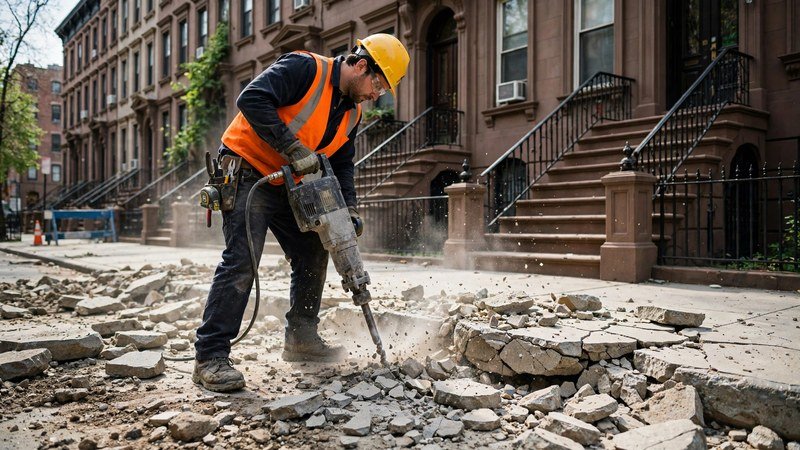
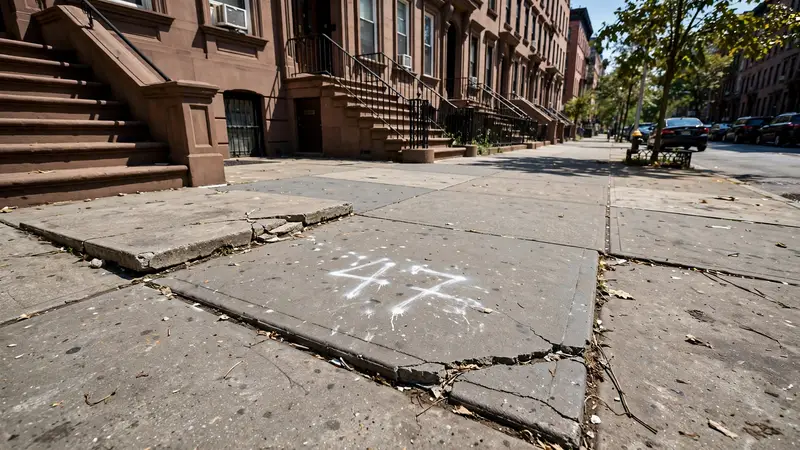
Your contractor broke the sidewalk to pour a foundation, and now the flags are cracked or missing. Here is the short answer: in New York City, you as the property owner are legally responsible for repairing the sidewalk no matter who caused the damage. Under NYC Admin Code 7-210, the maintenance duty sits with the owner at all times. You can absolutely pursue the contractor for reimbursement, but you must do it while meeting your own repair clock, because letting the dispute run past the 75-day deadline puts you on the hook for the violation and the repair cost.
Why the owner is still on the hook even when someone else broke the sidewalk
This is the part most property owners find unfair, but it is the law. NYC Admin Code 7-210 makes the abutting property owner responsible for maintaining the sidewalk in front of the property, regardless of how the damage happened. If a DOT inspector comes by, the violation goes to you, not to your contractor. The city does not care whose backhoe broke the concrete. The ticket lands on the owner of record.
That rule applies whether the damage came from your own hired contractor, a utility company working in the street, a neighbor's construction project, or a city agency's crew. The city points to you first every time. Understanding that single fact shapes every decision below, because it means you cannot sit back and wait for someone else to fix the problem. You need to act on your own timeline while you chase reimbursement separately.
What the law says about the contractor's side of it
There is a second rule that protects you, and it is worth knowing cold. Any contractor or utility company working near a sidewalk must restore damage caused by their project as a condition of their City permit. If they refuse or stall, the owner can file a complaint and request repairs or reimbursement. But here is the catch: your repair obligation as the owner does not pause while you fight that battle. The dispute must not run past the 75-day deadline, because after that the city can step in, do the work itself, and bill you.
The official DOT guidance says it plainly: "If a sidewalk was damaged by a utility company or other contractor, the property owner must document the damage and reach out to the company who made the damage for repair... Claims against utility companies should be filed with their respective claims departments." Document first, then reach out. You can read the DOT guidance directly at nyc.gov.
So the legal picture has two layers. The contractor is obligated to fix what it broke under its permit. You are obligated to get it fixed under 7-210. When both sides move at once, everything works out. When only the contractor is supposed to move, and the contractor drags its feet, you are the one who gets the violation. This is why a NYC sidewalk contractor who carries proper licensing and insurance matters so much: a reputable firm will restore its own damage without a fight.
Scenario 1: your own contractor broke it
This is the most common version of the story, and it usually goes like this. You hire a contractor for foundation work, waterproofing, a sewer line, or a building renovation. The job requires breaking up the sidewalk in front of your building. The contractor does the work, the sidewalk gets restored poorly, or not restored at all, and now you have cracked flags or a hole where the sidewalk used to be.
Your steps:
- Put it in writing immediately. Email or certified letter to the contractor describing the damage, with photos attached. A phone call is fine as a first move, but the written record is what protects you.
- Review your contract. Many contractor agreements include language about restoring the work site. If the permit the contractor pulled required sidewalk restoration as a condition, point to that obligation in your message.
- Get a written estimate from a licensed sidewalk contractor for the repair. This gives you a concrete number to demand and strengthens any complaint you file later.
- If the contractor refuses or ghosts you, file a complaint and request repairs or reimbursement. Meanwhile, start your own repair clock. If a violation notice has already been issued, you already know what happens when the 75-day deadline passes without repairs.
The honest version of the outcome: getting the contractor to pay can take weeks of back-and-forth. The violation deadline will not wait for you. Owners who win these disputes are the ones who get the sidewalk fixed on time and then keep pushing the reimbursement claim with their documentation in hand.
Scenario 2: a utility company or its contractor caused the damage
Utility companies tear up sidewalks all the time for gas, water, and electrical work. Their contractors are supposed to restore the sidewalk when they finish, but the restoration is often subpar or skipped entirely. In this scenario, the DOT guidance is your playbook: document the damage and reach out to the company that caused it for repair, and file claims against the utility company with its respective claims department.
To figure out exactly who holds the active permit at your address, call 311 and ask for the "Status of Active Street or Sidewalk Construction Permits." That tells you which company was working at your location and when, which is exactly the information you need when you contact their claims department.
Because utility claims departments move slowly, the same warning applies: do not let the claim process eat into your 75 days. Get your repair done and keep the paperwork for reimbursement.
Scenario 3: a city contractor caused the damage
Sometimes the city itself is the culprit, for example a Department of Design and Construction (DDC) contractor doing infrastructure work. In that case, a formal damage claim must be filed within 90 days of the incident. That is a separate clock from your violation deadline, and it is strict. Miss the 90 days and your claim is dead on arrival.
Start the claim as soon as you notice the damage, and gather photos, timestamps, and any witness information. You can still expect the city's claims process to take far longer than your repair window, so the same rule applies: fix it, document everything, and let the claim run in parallel.
Scenario 4: a neighbor's construction project damaged your sidewalk
Private construction next door can shake, crack, or undermine the sidewalk in front of your property. Private contractors are legally obligated to repair any sidewalk damage their work causes. Here is the procedure that protects you:
- Document immediately: photos with timestamps, video if possible, and note the contractor's company name from any signage or vehicles on site.
- Notify the neighboring party in writing. Keep it factual and dated.
- Get a written repair estimate from a licensed sidewalk contractor to support your claim.
A written paper trail from day one is what separates claims that get paid from claims that get denied.
The documentation checklist that wins claims
No matter which scenario you are in, the same evidence wins:
- Dated photos and video of the damage, taken from multiple angles, showing the full extent.
- Timestamps for when you first noticed the damage and when the work that caused it happened.
- The contractor's identity: company name, license number if visible, vehicle plates, permit numbers posted on site.
- Written communication: your emails or letters asking for repair, and any responses.
- A written estimate from a licensed sidewalk contractor for the repair cost.
This file is your leverage in every conversation, complaint, and claim. Build it the day you find the damage, not the week you decide to fight about it.
The one mistake that costs owners the most
The most expensive mistake is letting the dispute with the contractor run past the 75-day deadline. It is easy to fall into the trap of thinking, "Why should I pay? They broke it." That logic is correct in fairness terms, but the law does not pause for it. The violation and the repair obligation belong to you from day one.
The right sequence is always the same: document, notify, get an estimate, push the claim, and repair on your own timeline regardless. If you already received a violation notice, here is exactly what to do after receiving one. And if you are unsure whether a violation is even on record for your property, you can check using our independent violation lookup tool, which reads public city data and is not affiliated with NYC DOT.
For the broader rules on how violations are issued and cleared, our DOT violations guide covers the full process.
FAQ
Who pays when my contractor damages the sidewalk in NYC?
You do, in the city's eyes. NYC Admin Code 7-210 makes the property owner responsible for sidewalk maintenance no matter who caused the damage. The contractor is separately obligated to restore damage under its City permit, so pursue the contractor for reimbursement, but do not wait on them to meet your repair deadline.
Can I make my contractor pay for the damage they caused?
Yes. Contractors working near a sidewalk must restore damage as a condition of their City permit. Notify them in writing with photos, cite the permit obligation, and if they refuse, file a complaint and request repairs or reimbursement. A written estimate from a licensed sidewalk contractor supports your claim.
What if a utility company damaged my sidewalk?
Document the damage and reach out to the company that caused it for repair. File claims against the utility company with its respective claims department, per DOT guidance. To identify who was working at your address, call 311 and ask for the "Status of Active Street or Sidewalk Construction Permits."
What if a city contractor damaged my sidewalk?
File a formal damage claim within 90 days of the incident. That deadline is strict and separate from any violation repair timeline, so start it as soon as you discover the damage and gather photos, timestamps, and contractor identification.
What if my neighbor's construction damaged my sidewalk?
Private contractors are legally obligated to repair any sidewalk damage their work causes. Document immediately with photos, timestamps, and contractor identification, notify the neighboring party in writing, and get a written repair estimate from a licensed sidewalk contractor to support the claim.
Does the 75-day repair deadline pause while I dispute the damage?
No. The repair obligation sits with the owner in the meantime regardless of who caused the damage. The dispute must not run past the 75-day deadline, or the city can do the work and bill you.
Should I repair the sidewalk myself before the contractor agrees to pay?
Yes, if a violation is already on the clock or the damage creates a hazard. Fix it on your own timeline, keep every receipt and document, and continue pushing the reimbursement claim separately. Waiting for the other party is how owners end up paying twice.