- What is the fake-crack sidewalk scam?
- Why do scammers show up right after a violation?
- What are the red flags of a sidewalk repair scam?
- How can you verify a contractor in NYC?
- What does legitimate contractor outreach look like?
- What should you do if you see someone damaging a sidewalk?
- Frequently asked questions
- Before you hire anyone
Yes, sidewalk repair scams happen in NYC. The best-known trick is a fake-crack scheme: a stranger saws or scores a crack into a sound sidewalk, then the owner faces a real violation and a flood of repair pitches. Protect yourself by verifying any contractor through DCWP before signing anything.
What is the fake-crack sidewalk scam?
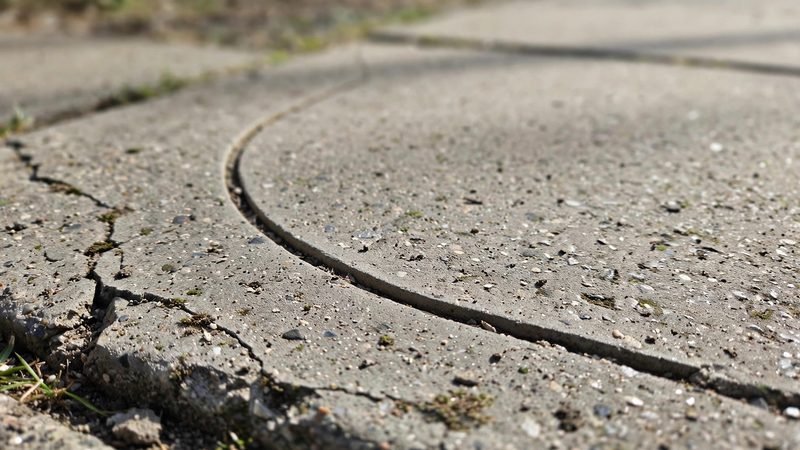
On a Brownstoner forum, a Brooklyn homeowner described hearing a saw sound and finding a stranger with a white unmarked van who had sawed a curving crack into the homeowner's sidewalk. When asked, the man mumbled the word "caulking" and left. The sidewalk had been completely redone just months earlier. The homeowner later remembered the broker had mentioned a "neighborhood guy" going around creating cracks and reporting violations to drum up his own repair business. The homeowner wished they had photographed the van's license plate and asked whether to call the police.
That is the pattern, and it shows why the scheme works. A fresh crack on an otherwise sound sidewalk can trigger a real Notice of Sidewalk Violation, and a worried owner suddenly needs a contractor fast. Whether this particular case was vandalism-for-profit or something else, the playbook is real: damage the sidewalk, then harvest the repair job. Read the full thread here: A white van pulled up and a guy sawed a curving crack into my new sidewalk
Why do scammers show up right after a violation?
A copy of every sidewalk violation notice is filed with the County Clerk, so new violations are easy to spot. Door-knockers and flyers often follow a fresh violation, and that timing is the main hook. An owner who just got a notice and faces the 75-day repair clock is under pressure and far more likely to hire the first contractor who knocks.
That pressure is exactly what legitimate outreach and predatory outreach both feed on. Knowing how to tell them apart is the whole point of this article.
What are the red flags of a sidewalk repair scam?
Run through this list before you hire anyone, especially someone who came to you uninvited:
- They showed up out of nowhere. A crew knocks on your door offering a deal because they "just finished a job nearby" or claim to have extra concrete. Legitimate sidewalk contractors in NYC rarely canvass door to door.
- They demand cash only, or most of the money up front. Refusing checks, cards, or a payment trail is a major warning sign. Never pay the full job cost before work starts.
- They have no license number to share. If a contractor cannot produce a license number or dodges the question, stop the conversation there.
- They use high-pressure tactics. "This price is only good today" or "sign now before the city fines you" is designed to stop you from checking them out. There is no fine associated with a violation itself, so threats of instant fines are a lie.
- They offer no written contract. A real job comes with a written estimate and a contract covering scope, price, timeline, and payment schedule. Verbal promises protect nobody.
- Their quote is far below every other bid. A suspiciously cheap price usually means something was left out, like proper depth, base work, or permits. Compare at least two or three bids.
- They tell you permits are not worth the trouble. Sidewalk repairs in NYC require permits, and the work has to meet DOT specs so a reinspection can clear the violation. Anyone who wants to skip permits is setting you up for a rejected repair.
- They cannot explain the plan. If they cannot say how many flags they will replace, what the process is, and who handles the dismissal inspection, they do not have a real plan.
How can you verify a contractor in NYC?
The single most useful step is a license check. NYC DOT's official sidewalks page tells property owners to use the Department of Consumer and Worker Protection's (DCWP) database of licensed contractors to verify a contractor is licensed. The database also shows the number and type of complaints filed with DCWP against that business.
Do this before you sign anything:
1. Ask the contractor for their DCWP license number up front.
2. Look the business up in DCWP's licensed-contractor database and confirm the license is active under the exact business name on the contract.
3. Read the complaint history. A few complaints may be normal for a busy company; a pattern of them is not.
4. Ask who pulls the sidewalk permit. Legitimate contractors handle permits themselves and work to DOT specifications so the repair passes reinspection.
5. Get written, itemized estimates from at least two licensed contractors and compare the scope line by line, not just the bottom number.
You can also check your own records any time: use the free lookup tool to see your property's violation and inspection history. The site is independent and not affiliated with NYC DOT or any city agency, but it reads the city's own public data.
What does legitimate contractor outreach look like?
Not every knock or flyer is a scam, and knowing what normal looks like helps you spot what is not. A legitimate contractor usually reaches you through a referral, a review site, or your own call to them, not the reverse. When you contact them, they:
- Visit the property and look at the actual sidewalk before quoting.
- Give a written, itemized estimate and a contract with scope, price, timeline, and payment schedule.
- Share their license number without hesitation and expect you to verify it.
- Explain the permit process, DOT specifications, and how the dismissal inspection works after the repair.
- Give you time to compare bids and check references.
- Tie payments to stages of the work instead of demanding everything up front.
For background on what the repair process should look like, read how NYC sidewalk inspections work and what sidewalk repair costs in NYC typically involve.
What should you do if you see someone damaging a sidewalk?
If you witness someone sawing, scoring, or otherwise damaging a sidewalk that is not theirs, take a photo of the vehicle and the license plate, note the time, and call your local police precinct. You can also report damaged sidewalks through NYC 311. If the damage leads to a violation on a sidewalk you do not believe is actually defective, you can appeal the violation within 75 days of receiving the notice, and a different inspector will reinspect without seeing the original report.
If the work was recently done by the city, the repair comes with an 18-month guarantee from the city's contractor, so call the DOT sidewalk office and explain what happened before paying anyone for a fix.
Frequently asked questions
Are sidewalk repair scams common in NYC?
There is no official count of how often this happens, but the pattern shows up repeatedly: fake cracks sawn into sound sidewalks, then unsolicited repair pitches following new violations. Because violation notices are public, canvassers can find targets easily, so owners should treat surprise repair offers with skepticism.
How do I know if my sidewalk crack is fake or real?
Look for a clean, straight, or oddly curving saw-cut line on otherwise new concrete, especially if the sidewalk was recently poured. Saw marks look mechanical: uniform depth, sharp edges, sometimes curving in a way a natural crack would not. Natural cracks are usually irregular and match the concrete's age.
Should I call the police about a suspected fake-crack scam?
Yes. Property damage is a police matter. File a report at your precinct with photos, the vehicle description, and the plate number if you have it. A police report also helps if you later need to appeal a violation you believe came from manufactured damage.
Do I have to hire the contractor who knocks on my door?
No. Never feel obligated to hire someone just because they knocked. A violation gives you 75 days to repair, and a sidewalk permit does not extend that clock, so use the time to get multiple bids from licensed contractors you verify yourself.
What is the most important check before hiring a sidewalk contractor?
The DCWP license check. Verify the contractor's license in DCWP's database, confirm it is active under the exact business name on the contract, and review any complaints on file. Unlicensed contractors are the single biggest risk factor in every scam pattern.
Can a scam repair fail the dismissal inspection?
Yes. If the repair was done without permits or does not meet DOT specifications, the inspector will not clear the violation, and you will pay twice: once for the bad repair and again for a proper one. This is why the license and permit steps matter more than the price.
What if I already paid a scammer?
Document everything: the contract or quote, receipts, photos of the work, and any messages. Report the business to DCWP through 311 and file a police report. If the contractor was licensed, DCWP's trust fund may offer a path to reimbursement; if they were unlicensed, that option is not available, which is another reason to check first.
Before you hire anyone
A violation notice puts you on the clock, but it does not force you to hire the first person who knocks. Check your property's current status with the free lookup tool, verify every contractor through DCWP, and get multiple written bids. A few days of checking beats paying for the same repair twice.