- Why Doesn't the City Tell You When a Violation Is Lifted?
- What Is a Dismissal Inspection and How Do You Request One?
- What Information Do You Need to Have Ready?
- What Happens During the Dismissal Inspection?
- How Do You Check the Violation Status Yourself?
- Is Dismissing a Violation the Same as Removing a Lien?
- How Long Does the Dismissal Inspection Take?
- What Paperwork Should You Keep?
- What If the Record Still Shows the Violation as Open After Your Repair?
- Frequently Asked Questions
- Get Your Confirmation in Writing
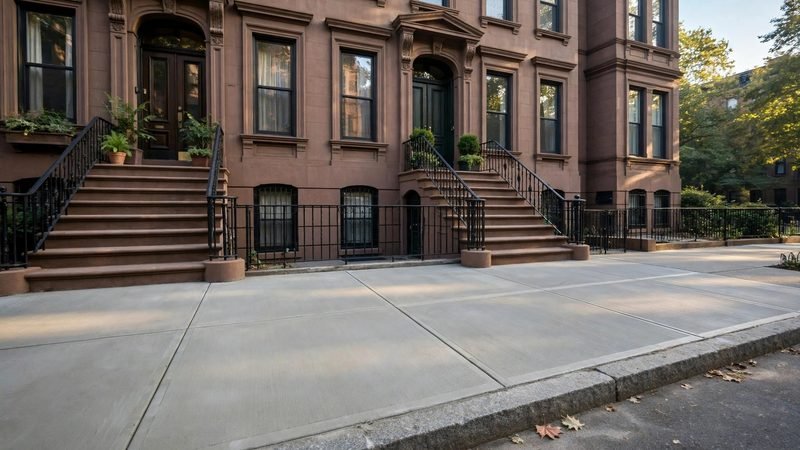
You fixed the sidewalk. The concrete is new, the trip hazard is gone, and the inspector has never come back. But you never got anything in the mail saying the violation is lifted, so how do you know it is really over? The short answer is that the repair does not close the violation on its own. You have to request a dismissal inspection from DOT, pass it, and then check the record yourself.
Why Doesn't the City Tell You When a Violation Is Lifted?
This is the complaint owners repeat most, including one Brooklyn property owner who wrote on a neighborhood forum: "You don't get anything in the mail saying the violation is lifted, how do I know?" The frustration is understandable.
A Notice of Sidewalk Violation is filed with the County Clerk and stays on file until the Clerk receives official notification from the city that satisfactory repairs have been made. DOT does not mail you a dismissal notice the way it mailed the violation notice. The record gets updated inside city systems when the dismissal is processed, but you are the one who has to start that process and confirm it finished.
That means confirmation is a two-part job: request the inspection, then check the record.
What Is a Dismissal Inspection and How Do You Request One?
A dismissal inspection is DOT's final visit to your sidewalk. An inspector comes out, looks at the repaired sidewalk, and verifies that the defects listed on your violation notice have been properly fixed. If the work meets city standards, the violation is dismissed.
You request it by contacting NYC 311 and asking for a Sidewalk Violation Dismissal Inspection. You can make the request yourself, or your contractor can do it for you, but it does not happen automatically after the repair. If nobody asks, nobody comes.
What Information Do You Need to Have Ready?
When you contact 311, have the following information ready (this is the list DOT publishes):
- Your sidewalk repair permit number
- The property address
- The block and lot number
- The violation number
- The property owner's email address and phone number
The violation number matters most. NYC 311 notes that sidewalk violation numbers are 4 to 6 digits long, for example 1432 or 31221. If you lost your notice, your contractor or your permit paperwork will usually have it, and you can look up your property through the free violation lookup tool.
What Happens During the Dismissal Inspection?
DOT sends an inspector to verify that the work has been satisfactorily completed. A few things worth knowing:
- Make sure the entire sidewalk is visible before the inspection. Move parked cars away from the curb and clear any materials, trash bags, or equipment off the walkway.
- The inspector checks the repairs against the defects cited on your Notice of Sidewalk Violation and the sketch attached to it. Every flagged section needs to be addressed.
- If the work passes, the violation is dismissed and DOT notifies the County Clerk so the record is cleared.
- If it fails, the violation stays open and you will need to fix the remaining issues and request another inspection.
How Do You Check the Violation Status Yourself?
After the inspection, do not assume the paperwork went through. Check the record yourself:
1. Use the site's lookup tool. Run your property address through the free sidewalk violation lookup to see whether the violation still appears as open.
2. Contact NYC 311. You can request the current status or a copy of a sidewalk violation through 311, using your violation number.
3. Look at the County Clerk record. Since the notice was filed with the County Clerk, confirming that the Clerk's office has received DOT's notification is the most thorough check, and it is what a title company will do when you sell or refinance.
Checking again a few weeks after a passed inspection is reasonable, because the record update is not instant.
Is Dismissing a Violation the Same as Removing a Lien?
This is where owners get tripped up, so the distinction matters.
Dismissing the violation and clearing a lien are separate steps, but they apply to different situations. Here is the difference:
- If you did the repair yourself (or hired your own contractor): there is no city bill, so there is no lien to remove. Once the dismissal inspection passes and the County Clerk record is cleared, you are done.
- If the city did the repair after you missed the 75-day repair clock: the Department of Finance bills you for the work. You have 90 days to pay before interest is added, and after 90 days interest accrues and a monetary lien is placed against the property. Paying that bill and getting the lien released is a separate step from the violation being dismissed, and it is handled through the Department of Finance, not through the dismissal inspection.
So if a city contractor did your work, confirming the dismissal is not enough. Confirm the bill is paid and the lien is released too.
How Long Does the Dismissal Inspection Take?
DOT does not publish a set timeline for how long a dismissal inspection takes to schedule. In practice, plan for a wait of weeks and keep following up if you hear nothing. The gap between "repair complete" and "record cleared" is exactly where violations sit open on paper even though the sidewalk is fixed.
If you are on a deadline, for example a closing date or a refinance, request the inspection the day the repair is finished and start checking the record right away.
What Paperwork Should You Keep?
Even after the record is clear, keep a file for the property. Future buyers, lenders, and title companies may ask for proof. Keep:
- The original Notice of Sidewalk Violation
- The sidewalk construction permit
- Your contractor's invoice and any permits they pulled
- Photos of the sidewalk before and after the repair, with dates
- The 311 confirmation or service request number for the dismissal inspection
- Any written confirmation from DOT that the violation was dismissed
This file is especially useful if you are selling or buying a NYC property, since a cleared violation still sometimes shows up in older title reports.
What If the Record Still Shows the Violation as Open After Your Repair?
This happens more often than you would expect. Work through this list:
1. Was a dismissal inspection ever requested? If not, request one now through 311. The repair alone never closes the violation.
2. Did the inspection actually happen and pass? A request without a completed visit changes nothing on the record.
3. Was the work done on the right sections? The inspector checks the repair against the flagged sections on the violation sketch. If one flagged square was missed, the violation stays open.
4. Did the repair follow the current permit and standards? Work done without a permit can cause problems at inspection, so confirm your contractor pulled the right permits.
5. Has enough time passed? The update to the County Clerk record is not instant. Wait a few weeks after a passed inspection, then check again.
If the record still shows open after all of that, call 311 with your violation number and ask for the current status and a copy of the violation record. That record will tell you exactly what the city still thinks is unresolved. How NYC sidewalk inspections work explains more about what inspectors look for.
Frequently Asked Questions
How do I know if my NYC sidewalk violation was dismissed?
Request a dismissal inspection through NYC 311, have the inspector verify the repair, and then check the record yourself through 311 or the free violation lookup tool. DOT does not mail a dismissal notice, so checking is your step.
Who requests the dismissal inspection, me or my contractor?
Either one can do it. The city requires that someone contacts 311 with the permit number, address, block and lot number, and violation number. Ask your contractor before hiring whether inspection coordination is included, so it does not fall through the cracks.
What does "dismissed" mean for a sidewalk violation?
Dismissed means a DOT inspector verified that the cited defects were repaired to city standards, and the violation record is cleared. The notice that was filed with the County Clerk is only removed after DOT sends the Clerk official notification.
Do I still need a dismissal inspection if the city repaired my sidewalk?
When the city performs the repair, DOT notifies the County Clerk to remove the violation from its records after the work is complete. But the bill from the Department of Finance and any resulting lien are separate, so confirm those separately.
How long after the repair should I request the inspection?
Request it as soon as the repair is complete. There is no published scheduling timeline, so earlier is better, especially if you are selling or refinancing.
Can a dismissed violation come back?
A dismissed violation does not reopen on its own. But a brand-new violation can be issued later if the sidewalk develops new defects. Keep maintaining the sidewalk so you are not starting over.
What if the violation was issued to the wrong owner?
Sidewalk violations can go to the wrong owner when DOT relies on outdated ownership records. To update ownership records, mail a request to the Department of Finance Correspondence Unit at 66 John Street, 3rd Floor, New York, NY 10038. You can also appeal the violation itself through 311 within 75 days of receiving it.
Get Your Confirmation in Writing
A fixed sidewalk is only half the job. Request your dismissal inspection, confirm the record is clear, and keep your paperwork together. If you are not sure where your violation stands right now, check your property address with the free lookup tool and you will know exactly what the record shows before you call 311.