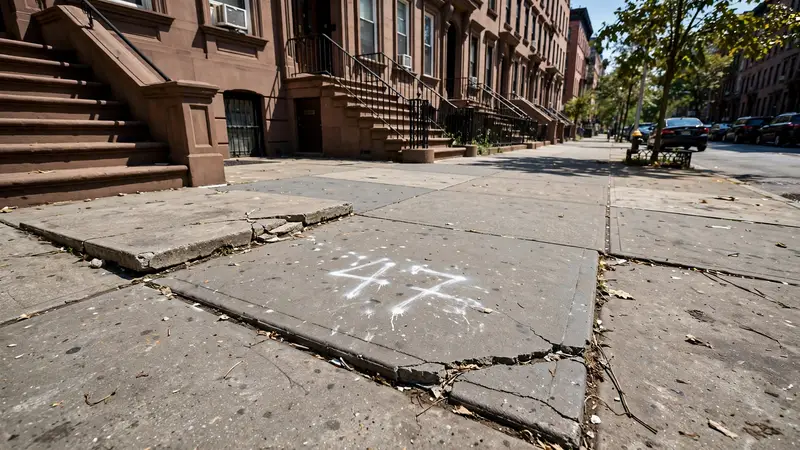
- Can you appeal an NYC sidewalk violation?
- How does the DOT appeal process work?
- Does appealing pause the 75-day repair clock?
- What are valid grounds for an appeal?
- What evidence should you gather before appealing?
- What happens at the reinspection?
- What if the appeal is denied?
- Frequently asked questions
- File early, repair in parallel
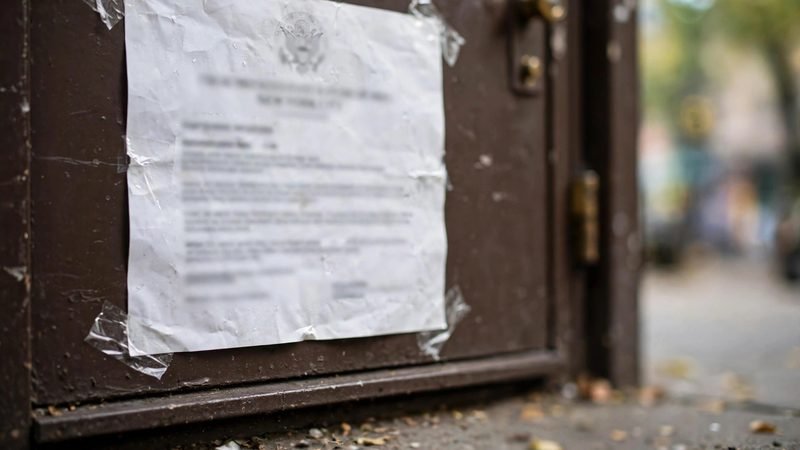
You can appeal an NYC sidewalk violation within 75 days of receiving the notice by contacting NYC311 and asking to appeal. DOT reviews your request and schedules a reinspection within 180 days. A different inspector examines the sidewalk without seeing the first report, and the result is final.
A sidewalk violation is not a fine. It is the city's way of telling you the sidewalk in front of your property is defective and needs repair, and it stays on your property record until the work is done and confirmed. If you think the violation was issued in error, the appeal process is your official route. But it is worth using only when the defect described on the notice does not match what is actually there, so start by checking the facts before you file.
Can you appeal an NYC sidewalk violation?
Yes. You can appeal within 75 days of receiving the notice by contacting NYC 311 and asking to appeal the violation. Have your violation number ready (311 notes they are 4 to 6 digits, like 1432 or 31221). The appeal is free, and anyone listed on the notice can file one.
One honest note up front: the appeal decides whether the violation was issued correctly, not whether you feel like repairing. If the defect is real, the appeal will confirm it and you will still need to fix it within the original repair window. The appeal is worth filing when the notice describes something that is not actually there, like a crack on a sidewalk that was just replaced, or damage you believe was manufactured.
How does the DOT appeal process work?
DOT's process has three steps:
1. You file the appeal. Contact NYC 311 within 75 days of the notice date and request an appeal of the sidewalk violation. Include the violation number, the property address, and why you believe the violation was issued in error.
2. DOT schedules a reinspection. DOT aims to schedule the reinspection within 180 days of your appeal request. A different inspector visits the property, and importantly, that inspector does not see the original inspector's report, so the second look is genuinely independent.
3. The result is final. Whatever the second inspector finds stands. If the reinspection confirms the defect, the violation stays and the repair clock keeps running. If the inspector finds no defect, the violation is dismissed.
Keep your 311 service request number. It is your proof that the appeal was filed on time if anything gets disputed later.
Does appealing pause the 75-day repair clock?
No, and this is the part owners misunderstand most. The 75-day repair period runs from the original notice date, and filing an appeal does not stop it. DOT can take up to 180 days to schedule the reinspection, which is longer than the entire repair window.
The practical meaning: if the defect is real, waiting for the appeal to play out can leave you past the deadline with the city authorized to do the work and bill you. File the appeal if you have a genuine case, but do not treat it as extra time. If the sidewalk is actually defective, start the repair in parallel.
What are valid grounds for an appeal?
An appeal succeeds when the facts on the notice do not match the facts on the ground. Strong grounds include:
- The defect does not exist. The notice cites a crack or raised flag that is not there, or describes the wrong section of sidewalk.
- The sidewalk was recently repaired. If the work was done to DOT specs and the notice predates or misreads the repair, the reinspection should clear it.
- The damage was manufactured. If you have evidence someone deliberately damaged the sidewalk (photos, a police report, a witness), include it. DOT's inspector will look at what is actually there.
- Wrong property or wrong owner. If the notice went to the wrong address or names someone who does not own the property, say so and provide proof.
- The defect is the city's responsibility. For example, damage caused solely by a city tree on a qualifying one, two, or three family home, where the city handles the repair itself.
Weak grounds: the repair is expensive, you just bought the property, or you disagree with the law. None of those change whether the defect exists.
What evidence should you gather before appealing?
The reinspection is decided by what the second inspector sees, so build a small file before you call 311:
- Dated photos of the cited area. Take them from a pedestrian's eye level, with a ruler or coin for scale. Photograph every section the notice flags.
- The original notice and its sketch. The inspector's sketch shows exactly which flags were cited. Your photos should cover those same sections.
- Repair records, if any. Permits, contractor invoices, and before/after photos if work was done.
- Police report, if relevant. If you believe the damage was deliberately caused, a filed report carries weight.
- Proof of ownership corrections. If the notice names the wrong owner, include the deed or tax records showing the correct one.
You do not submit all of this to 311 when you file; you keep it ready for the reinspection and for your own records. But having it organized is what turns a vague complaint into a credible appeal.
What happens at the reinspection?
A different DOT inspector visits the property without seeing the first inspector's report. They examine the sidewalk sections cited on the notice and decide independently whether each defect exists and meets the violation threshold.
Make sure the sidewalk is fully visible: move cars, trash bags, and equipment off the walkway. If you are there when the inspector arrives, you can point out the specific sections, but the inspector decides on what they observe, not on argument.
After the visit, DOT updates the record. If the violation is dismissed, confirm the County Clerk record reflects it, the same as after any dismissal. If it is upheld, the original repair deadline still applies, so check how much of the 75 days remains.
What if the appeal is denied?
The reinspection result is final, so a denied appeal means the violation stands and the repair must happen. At that point the fastest path is:
1. Hire a licensed contractor immediately. Verify the DCWP license, get itemized quotes, and confirm they pull the sidewalk construction permit.
2. Complete the repair to DOT specs. Every flagged section on the inspection sketch must be addressed.
3. Request the dismissal inspection through 311. The repair alone does not close the violation; an inspector must verify it.
Read how to hire a sidewalk contractor in NYC before you sign anything, and how to confirm your violation was dismissed so you know the record actually cleared afterward.
Frequently asked questions
How long do I have to appeal a sidewalk violation in NYC?
75 days from the date you received the notice. File through NYC 311 with your violation number.
Does filing an appeal extend my repair deadline?
No. The 75-day repair clock keeps running from the original notice date while the appeal is pending. DOT may take up to 180 days to schedule the reinspection.
Who conducts the reinspection?
A different DOT inspector who has not seen the original inspector's report. The second inspection is independent.
Can I appeal if the sidewalk is genuinely defective?
You can file, but it will not succeed. The appeal tests whether the violation was issued correctly, not whether the repair is convenient. If the defect is real, repair it instead.
What if someone deliberately damaged my sidewalk?
File a police report with photos and any vehicle details, then appeal with that evidence. If the reinspection finds the damage does not meet the violation threshold or was not a genuine defect, the violation can be dismissed.
Is the reinspection result final?
Yes. There is no second appeal of the reinspection. If it is upheld, repair the sidewalk and request a dismissal inspection.
Do I need a lawyer to appeal?
No. The appeal is filed through 311 and decided by a reinspection, not a hearing. A lawyer is unnecessary for the standard process.
File early, repair in parallel
The appeal is a real protection when a violation was issued in error, but it is not extra time. If you have genuine grounds, file within the 75 days and gather your evidence. And if the sidewalk is actually defective, start the repair at the same time. Either way, check your property's current violation status first so you are working from the official record, not from memory.